.png)
Large-Scale Public Art Installation at CityCenterDC | The Floral Guru, Washington DC
Updated: Jul 1

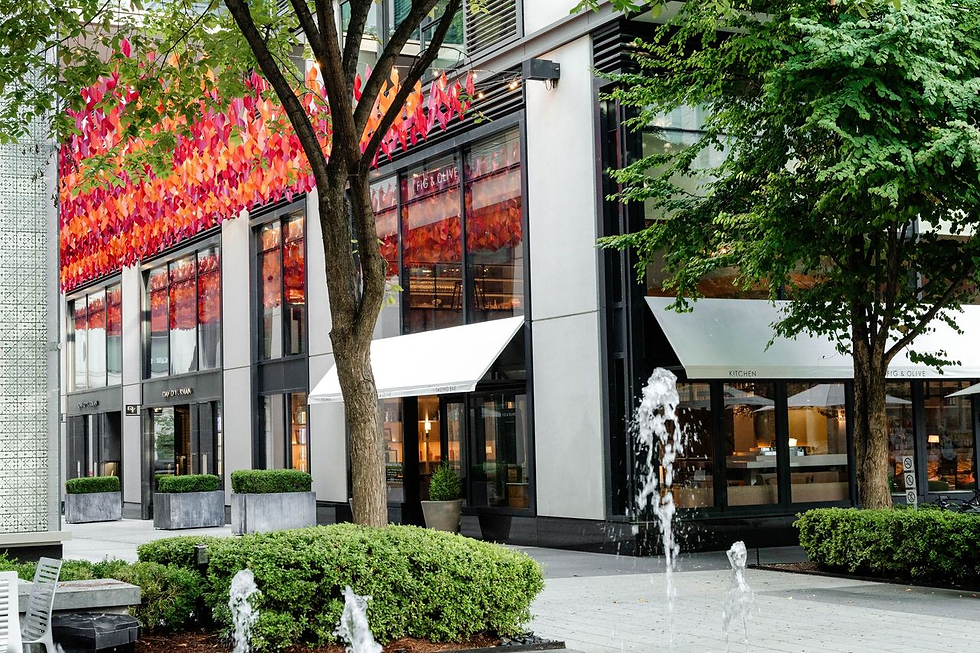
Photograph by Terri Baskin
Project at a Glance
Client: CityCenterDC
Location: Washington DC
Service: Public art installation, environmental design, commercial space activation
Project Scope: Large-scale suspended installation spanning a luxury retail corridor
Studio: The Floral Guru | Washington DC–area large-scale installation and experiential design studio
Designing a Large-Scale Public Art Installation at CityCenterDC
Designing for a public space is different than designing for a blank room.
At CityCenterDC, the architecture, storefronts, and daily flow of visitors already create a strong visual identity. The challenge wasn't to compete with that environment—it was to contribute to it.
The Floral Guru was commissioned to create a temporary public art installation that would activate the retail corridor while feeling completely at home within the space. The result was a large-scale suspended display that transformed the experience of moving through CityCenterDC, encouraging visitors to look up, slow down, and engage with the environment in a new way.
.
Creating Public Art Within a Luxury Retail Environment
Public art in active commercial spaces requires a careful balance.
The installation needed to capture attention without overwhelming the architecture or distracting from the luxury brands that call CityCenterDC home. It had to feel impactful from a distance, yet reward closer observation as guests moved through the corridor. Rather than relying on a single dramatic focal point, the design focused on repetition and rhythm. Suspended overhead, the installation stretched throughout the space, creating a visual experience that unfolded gradually as visitors walked beneath it. The goal was not to dominate the environment, but to become part of it.
Using Movement to Shape the Experience
One of the defining characteristics of the installation was its sense of motion.
Each suspended element was designed to respond naturally to air and light, creating subtle movement throughout the day. As sunlight shifted across the corridor, the installation changed with it, offering visitors a slightly different experience depending on when they passed through the space.
This approach is especially important in public art installations where the audience is constantly moving. Rather than asking people to stop and observe a single object, the design becomes something they experience over time.
The installation wasn't simply viewed—it was encountered.
A color palette inspired by nature
At first glance, the color story appears simple.
In reality, the installation incorporated thirteen custom colors, carefully layered to create depth, variation, and cohesion across the entire display. Inspired by the changing colors of autumn leaves, the palette combined warm reds, oranges, and transitional tones that echoed the movement and energy of the season.
Color played an important role in the project's success. Beyond aesthetics, it helped create visibility within a large-scale environment while maintaining harmony with the surrounding architecture.
The result felt vibrant without becoming overwhelming—a balance that is essential in high-traffic public spaces.

The Craft Behind Large-Scale Installations
While the finished installation feels light and effortless, the process behind it required significant craftsmanship.
Approximately 8,000 individual ribbon elements were hand-painted and hand-curled to achieve the final effect. Every component contributed to the larger visual rhythm of the installation, creating consistency across an expansive public environment.
In total, the project required more than 1,600 hours of design development, fabrication, preparation, and installation.
It's a reminder that some of the most successful public art experiences are built through repetition, patience, and attention to detail.

.

Designing Temporary Installations With Lasting Impact
Although the installation was temporary, it was designed with longevity in mind.
Public art in commercial environments needs to feel relevant over time, photograph naturally, and coexist with the architecture around it. The strongest installations don't rely solely on novelty—they create meaningful interactions between people and place.
At CityCenterDC, the final result enhanced the corridor without redefining it, creating a visual experience that felt intentional, integrated, and distinctly connected to its surroundings.
About the studio
The Floral Guru designs large-scale public art installations, commercial activations, environmental displays, and experiential installations throughout Washington DC, Alexandria, Northern Virginia, Maryland, and the greater DC metro area. From retail environments and mixed-use developments to hospitality venues and brand activations, we create immersive experiences that balance creativity, craftsmanship, and thoughtful execution.
Frequently Asked Questions
How do I know if a public art installation is right for my property or development? If you're looking to increase visitor engagement, create a memorable destination, or activate an underutilized space, a custom installation can help transform how people experience your property.
What types of commercial spaces can benefit from a large-scale installation?We work with retail centers, mixed-use developments, hospitality venues, corporate campuses, public spaces, and luxury properties looking to create a stronger visual impact.
How long does it take to design and install a large-scale public art project?Every project is different, but most installations require time for concept development, engineering, fabrication, and installation. We recommend reaching out as early as possible in your planning process.
Can The Floral Guru create a custom installation that reflects our brand or location? Absolutely. Every installation is designed specifically for the space, audience, and goals of the client, ensuring the final piece feels integrated and unique to the environment.
What factors affect the cost of a large-scale public art installation? Pricing depends on the size of the installation, materials, fabrication requirements, installation complexity, project duration, and site-specific considerations. We provide custom proposals for every project.


